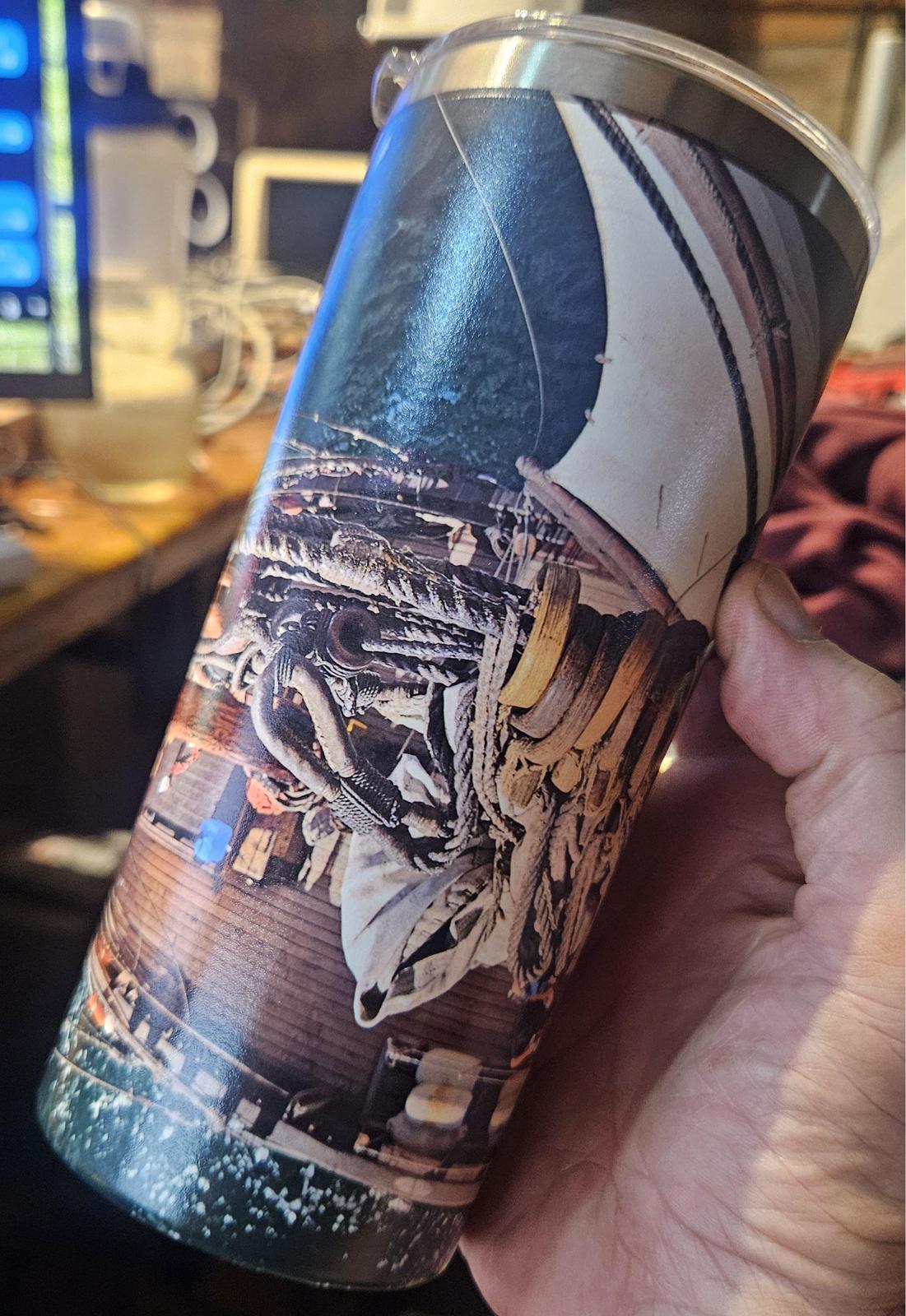
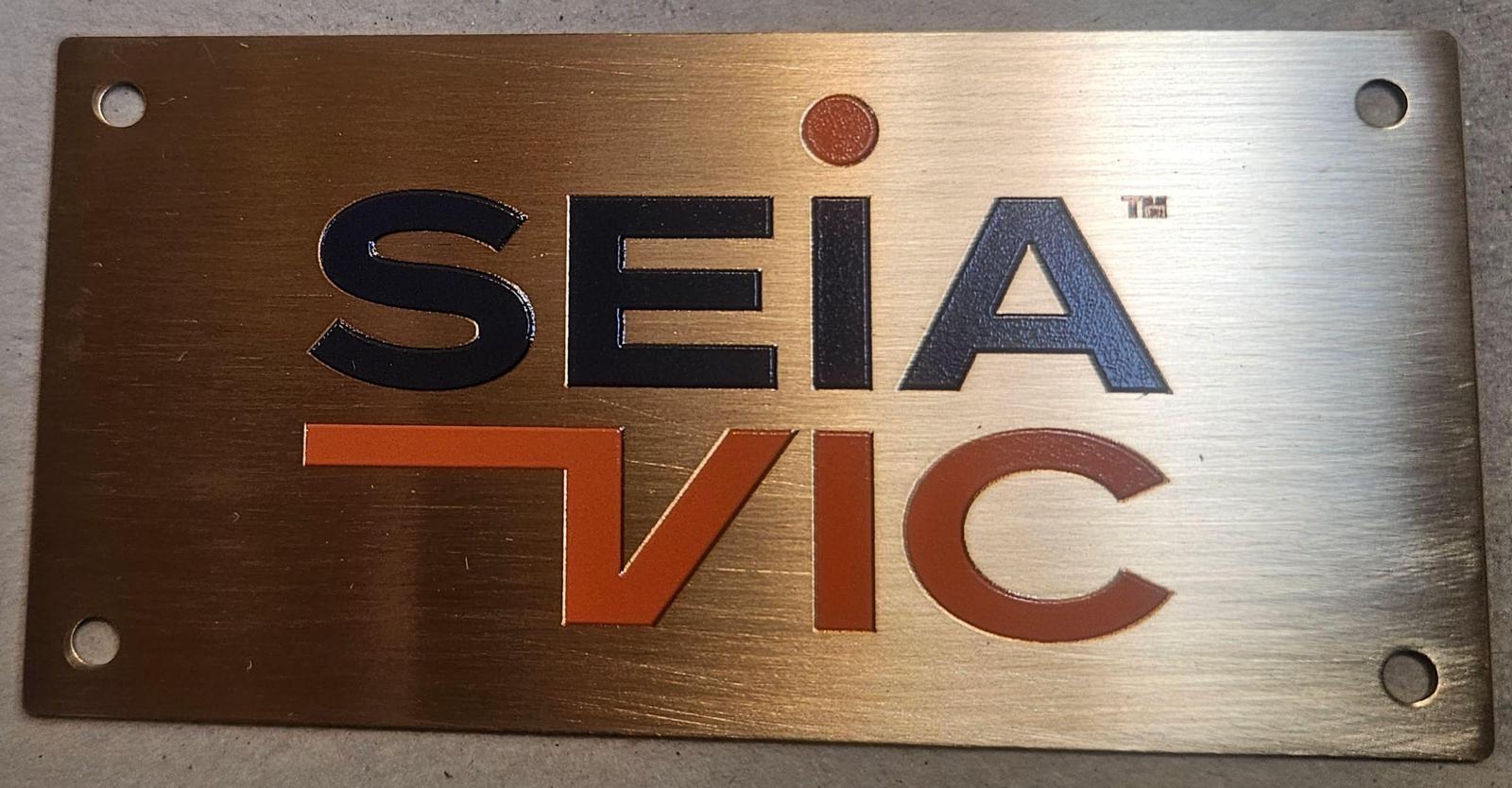
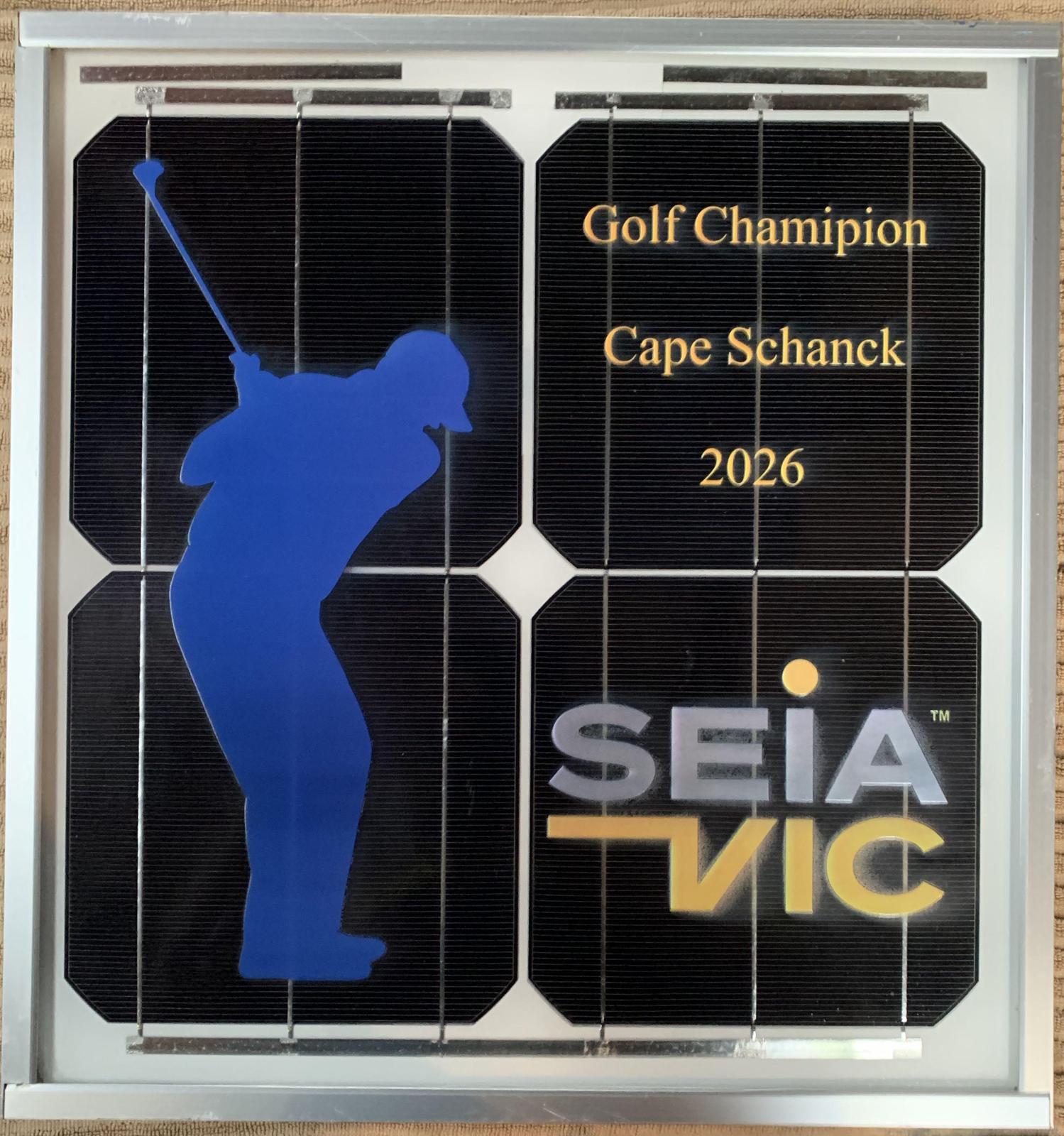
A small selection of things I make and restore. Each item is one-off or short-run — click through for photos, price, and postage, then hit the Order button to email me.
This is the multi-page printable view of this section. Click here to print.
Shop
1 - Antique Radio Batteries
Original glass-cased lead-acid accumulators — the 2-volt cells that powered valve “wireless” radios in the 1900s–1930s, before mains electricity reached most homes. Each one is a genuine artefact of early twentieth-century domestic technology.
Every item is unique — please view the photos before ordering. These cells are 90–120 years old. The glass cases all have their own chips, scratches, internal staining and crazing patterns. Scroll through the photos for each listing carefully and pick the one whose marks and character you like. Once it’s gone it’s gone.
A bit of history
Before the grid, the household wireless ran on batteries. Valve filaments needed a steady low-tension supply, and a small glass cell — one of several wired in series in a wooden carrier — provided it. When discharged, the householder carried the cell down to the local garage or radio shop to be exchanged for a freshly charged one. The same cells also powered motorcycle ignitions, telephone exchanges and emergency lighting.
Lead alloy plates (positive and negative) were suspended inside the glass case, separated by the vertical guide ribs moulded into the walls, and sat immersed in dilute sulphuric acid. A vented cap at the top let gas escape and water be added — the embossed ACID LEVEL line told the owner exactly how high to top up.
The clear glass case was the point: the user could see the plates and the electrolyte at a glance — useful, because a sulphated plate or low acid was an early warning of a tired cell. The base is normally embossed MADE IN ENGLAND, a marking required on British exports under the Merchandise Marks Act of 1887 (standardised after its 1926 amendment). A small numeral in the corner is the glass mould cavity number, identifying which station in the glassworks produced it. A faint pink or lavender tint is “sun-purpled” manganese glass, indicating manufacture before about 1915, when selenium replaced manganese as the glass decoloriser.
British makers you’ll see on these
- Exide — Chloride Electrical Storage Co., Clifton Junction, Manchester. The dominant British brand.
- Oldham & Son — Denton, Manchester. Famous “Lively O” range; types O25, O50, O75.
- Lucas — Birmingham. Best known for vehicle electrics, also produced wireless cells.
- Tudor, Pertrix, Varley — other UK accumulator makers of the period.
End of an era
Mains-powered radios from the late 1930s, sealed dry batteries, and finally rural electrification made the glass-cased wet cell obsolete. Production had effectively ceased by the late 1950s. Many were exported to Australia during the wireless boom of the 1920s, where they powered farmhouse sets long after British homes had moved on.
These are sold for display only — empty of acid, plates left as they are. Please handle gently.
Available now
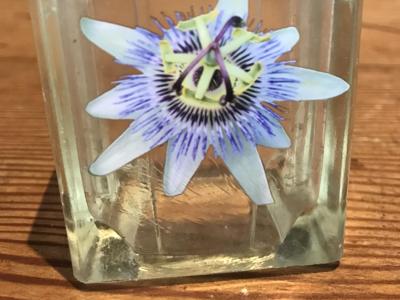
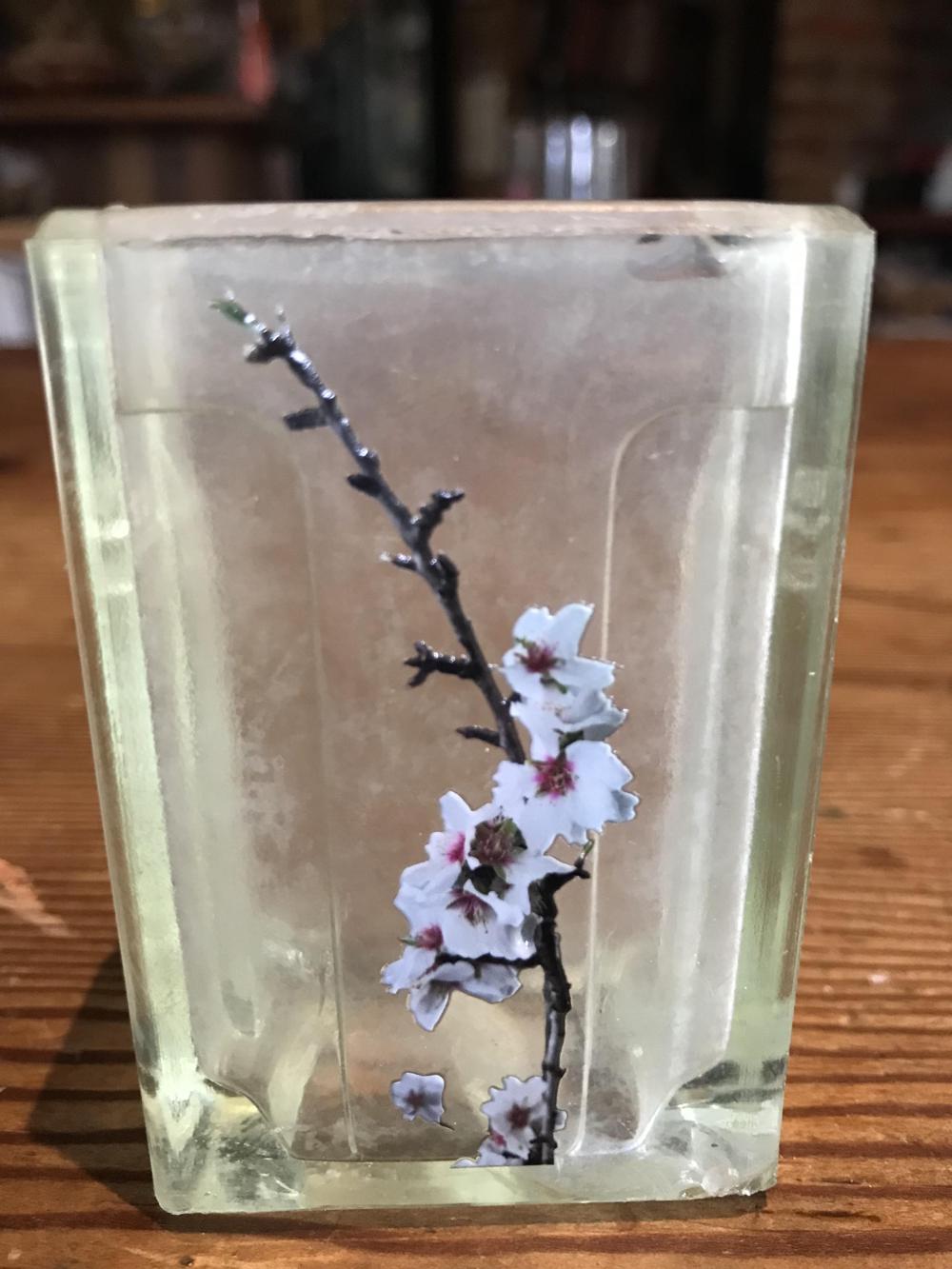
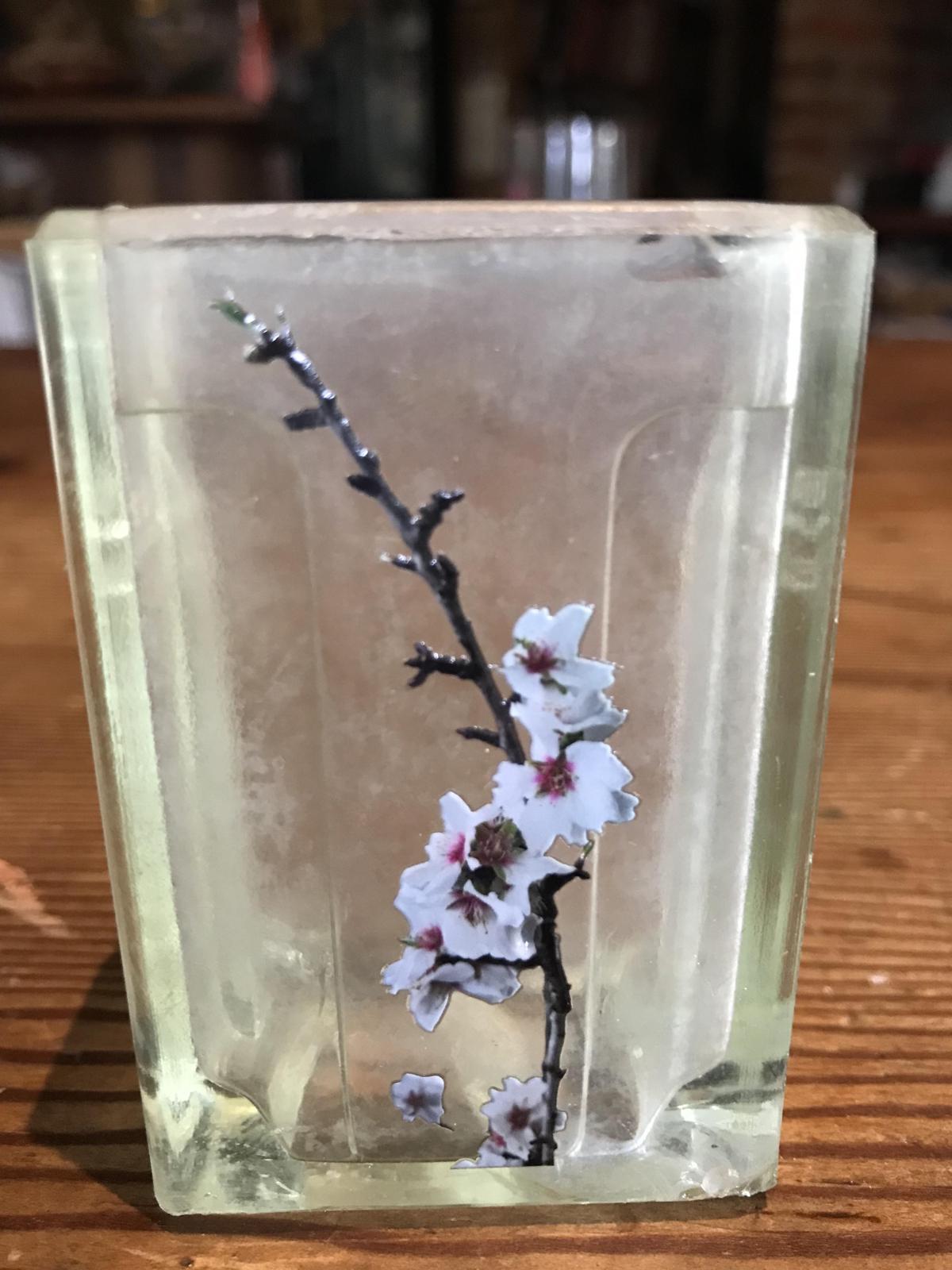
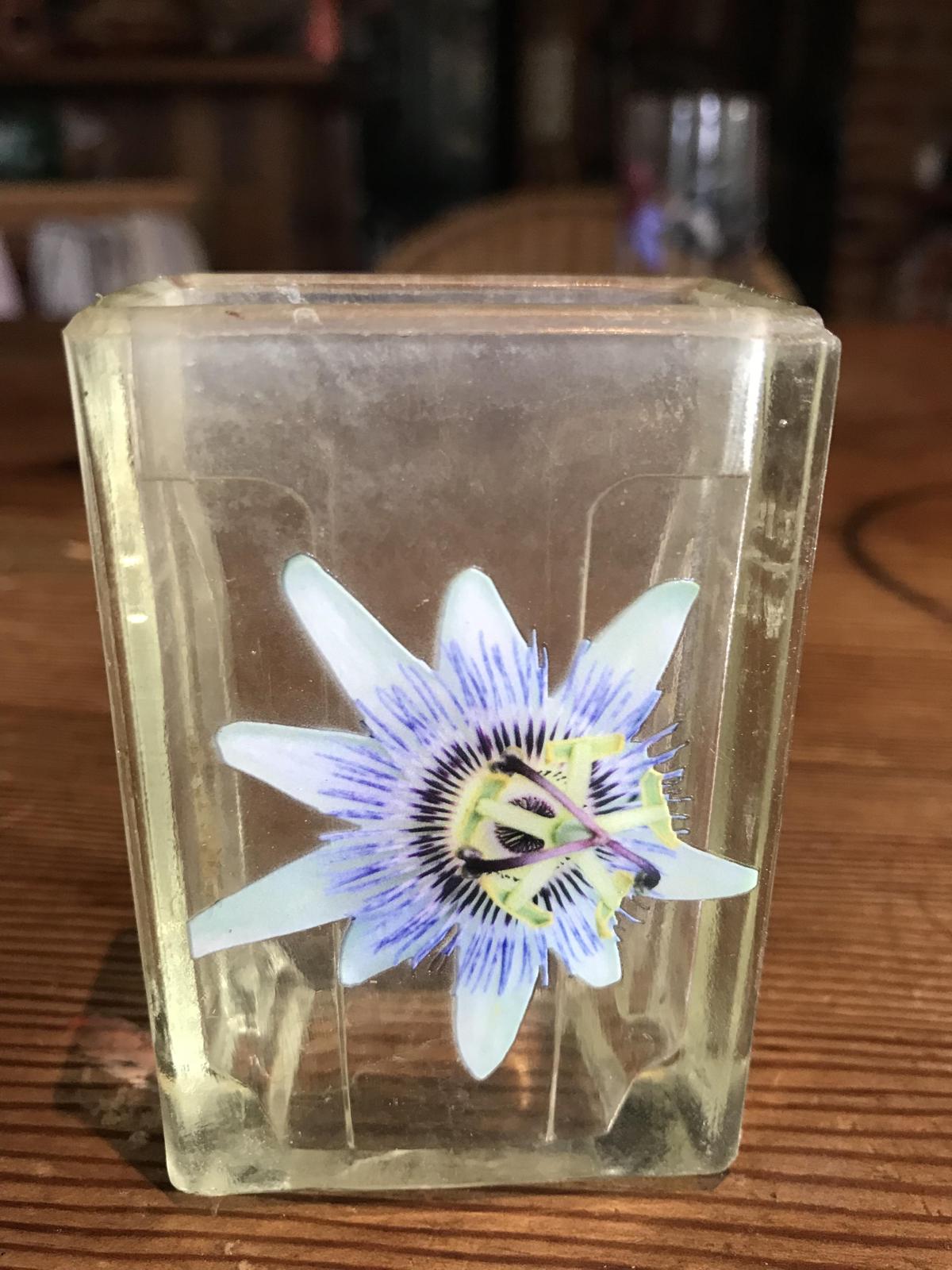
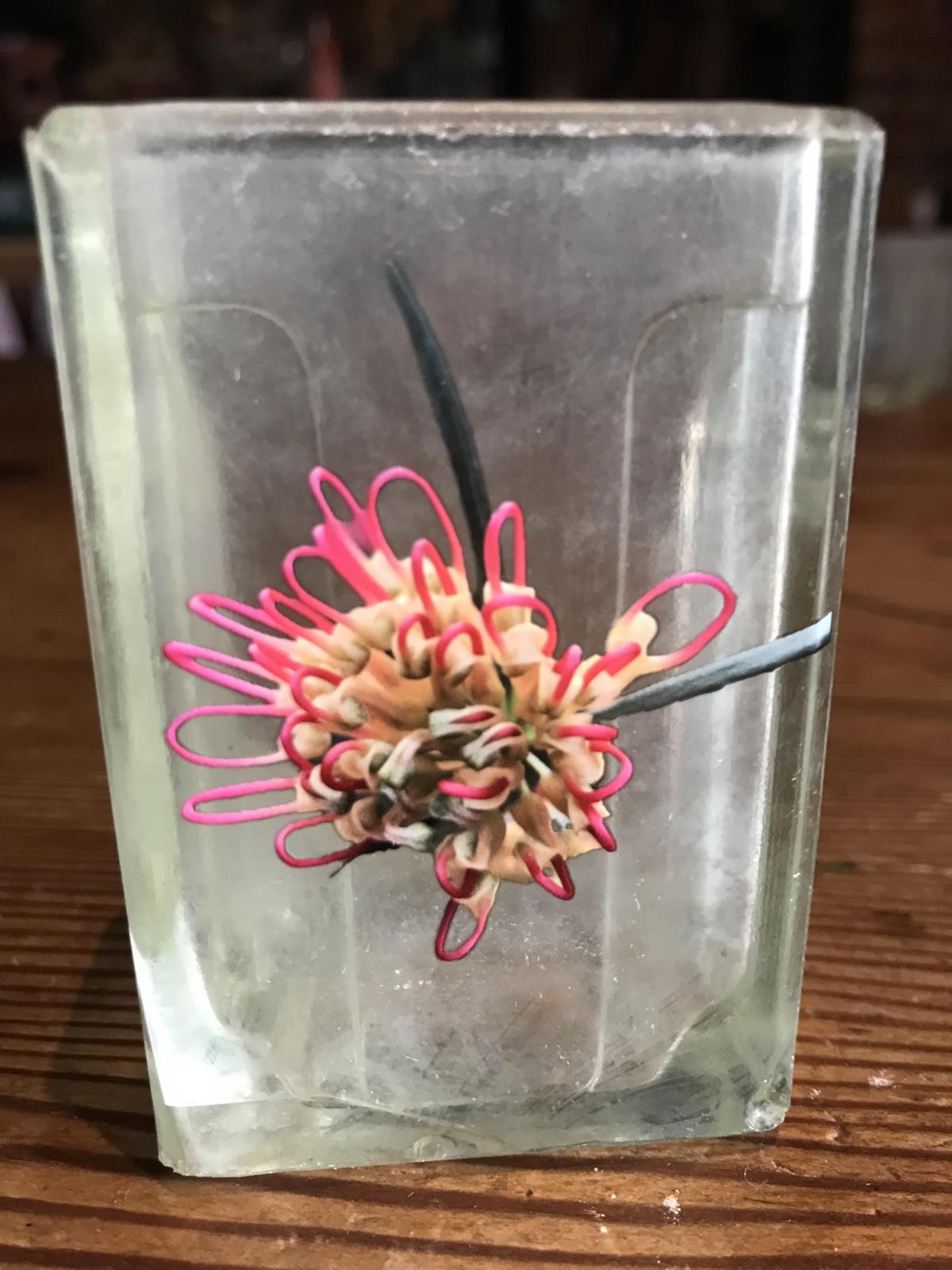
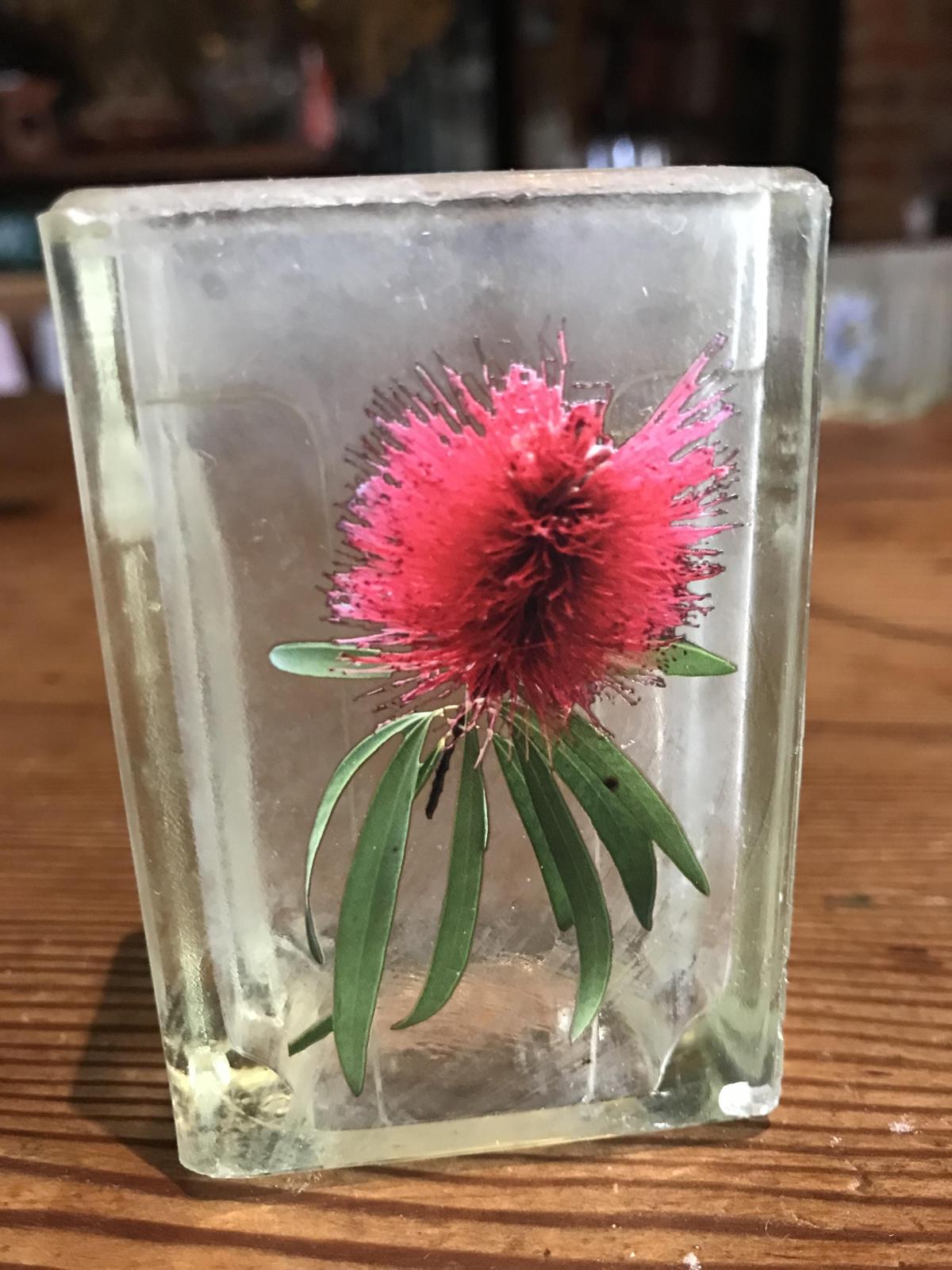
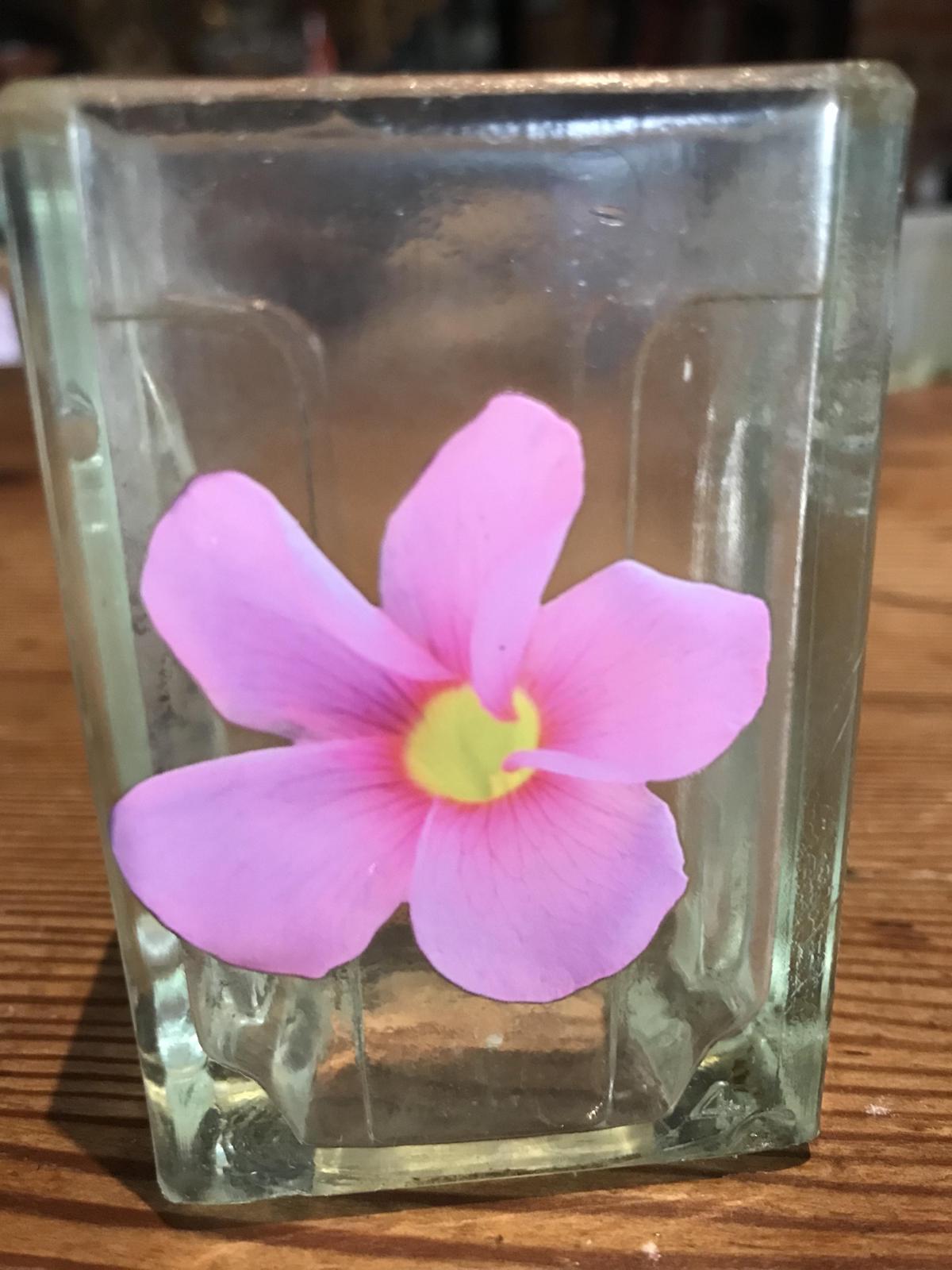
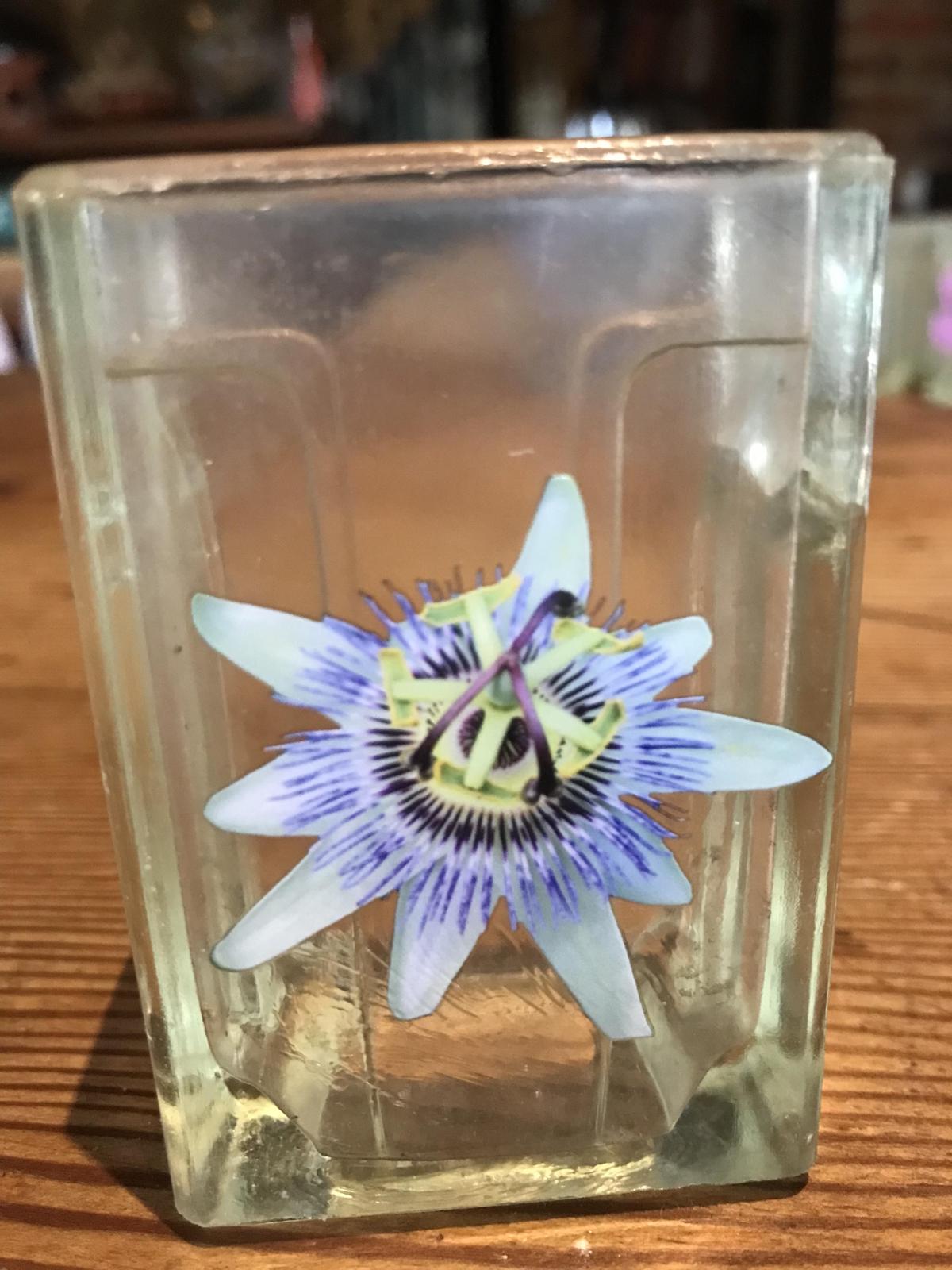
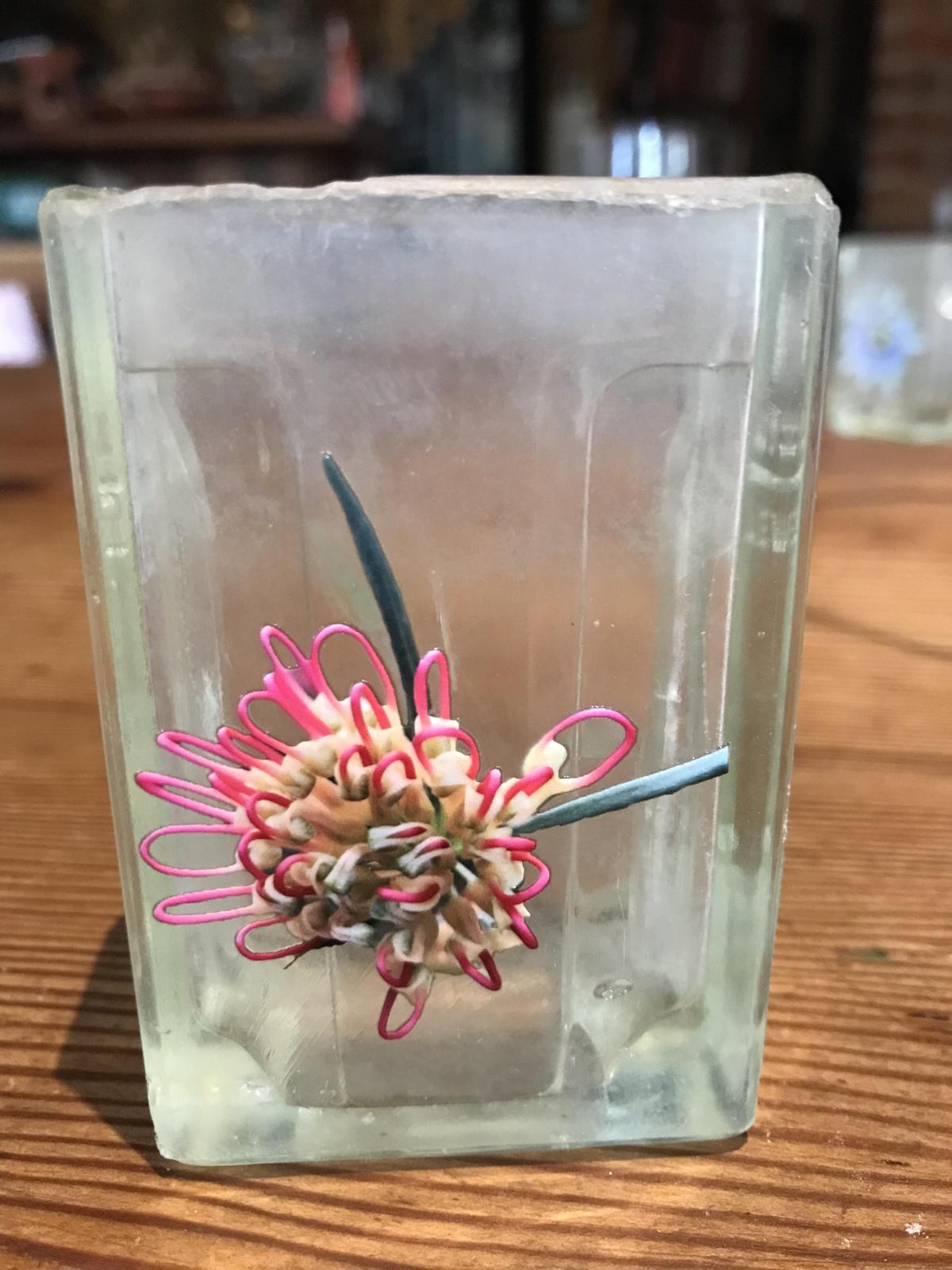
1.1 - Glass Wireless Accumulator — Sample
Original 2 V glass-cased lead-acid accumulator, made in England c. 1900–1930. Used to power the filaments of valve “wireless” radios. Empty of acid, sold for display.
Glass condition is unique to this cell. Look closely at every photo below before ordering — chips, scratches, internal staining and any “sun-purpled” lavender tint are all part of this individual piece.
Maker / type, key markings (MADE IN ENGLAND, mould cavity number, ACID LEVEL line), and any sun-purpling will be noted here per item.
A$120
Limited stock
SKU: accumulator-sample-001
Postage: A$25 within Australia.
International — email for a quote.
Order by email
2 - Field Notes — Insect Whiteboards
A piece of working art. Each board is reclaimed pine — offcuts saved from local building work, finished by hand — bearing a close-range photograph of an Australian insect taken around my property in Panton Hill, Victoria. The image is printed directly into the timber surface with UV-cured pigment ink and sealed under a clear polyurethane coat.
The result is intended to live with you. Hang it in a kitchen, a hallway, a studio. Write the week’s shopping across a wing. Leave a note on a thorax. Wipe it clean and start again.
Every board is one of a kind. The pine is reclaimed, so each piece carries its own old nail holes, saw marks and weathered edges. Look at the photos for each listing and pick the board whose history you like.
How to use it
- Write on the surface with any standard whiteboard or dry-erase marker — fine-tip works best.
- Wipe clean with a soft dry cloth. For marks left overnight, a microfibre cloth dampened with water will lift them.
- If a mark has set hard, a small amount of whiteboard cleaner or isopropyl alcohol will release it.
- Avoid permanent markers, abrasive pads, kitchen scourers, and solvents like acetone or methylated spirits — these will damage the clear coat.
The timber
The boards are offcuts rescued from building sites — timber that would otherwise have been thrown away. Pine moves, so expect your board to settle into its surroundings over the first months: slight changes in tone where the light catches it, the occasional fine check along the grain. This is the wood telling its own story underneath the print, and is part of the piece rather than a flaw in it.
Keep it out of prolonged direct sunlight to preserve the depth of the colours, and away from constant moisture (above a sink or kettle is fine; submerged is not).
Available now
2.1 - Field Notes — Sample Board
Reclaimed pine, hand-finished, with a UV-printed insect photograph sealed under clear polyurethane. Approximately 30×20 cm. Drilled hang-hole. Functions as a dry-erase whiteboard.
Look closely at every photo before ordering. This board has its own nail holes, saw marks and weathered character. The next one will be different.
This specimen
- Common name: (to be filled in)
- Species: (to be filled in)
- Photographed: (location, around Panton Hill VIC)
- Edition: _ of _
A$65
Limited stock
SKU: field-notes-sample-001
Postage: A$15 within Australia.
International — email for a quote.
Order by email
3 - UV Printing
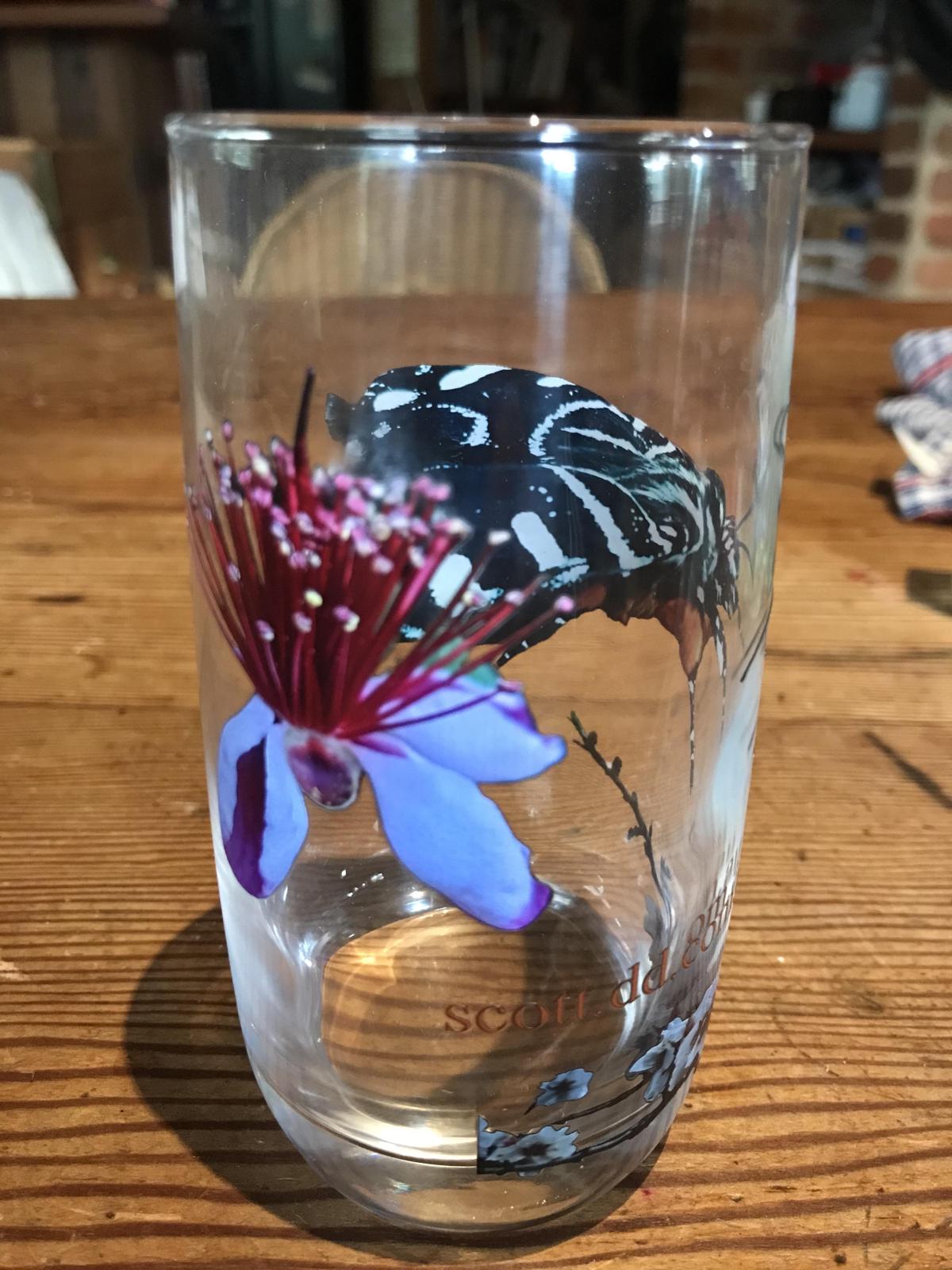
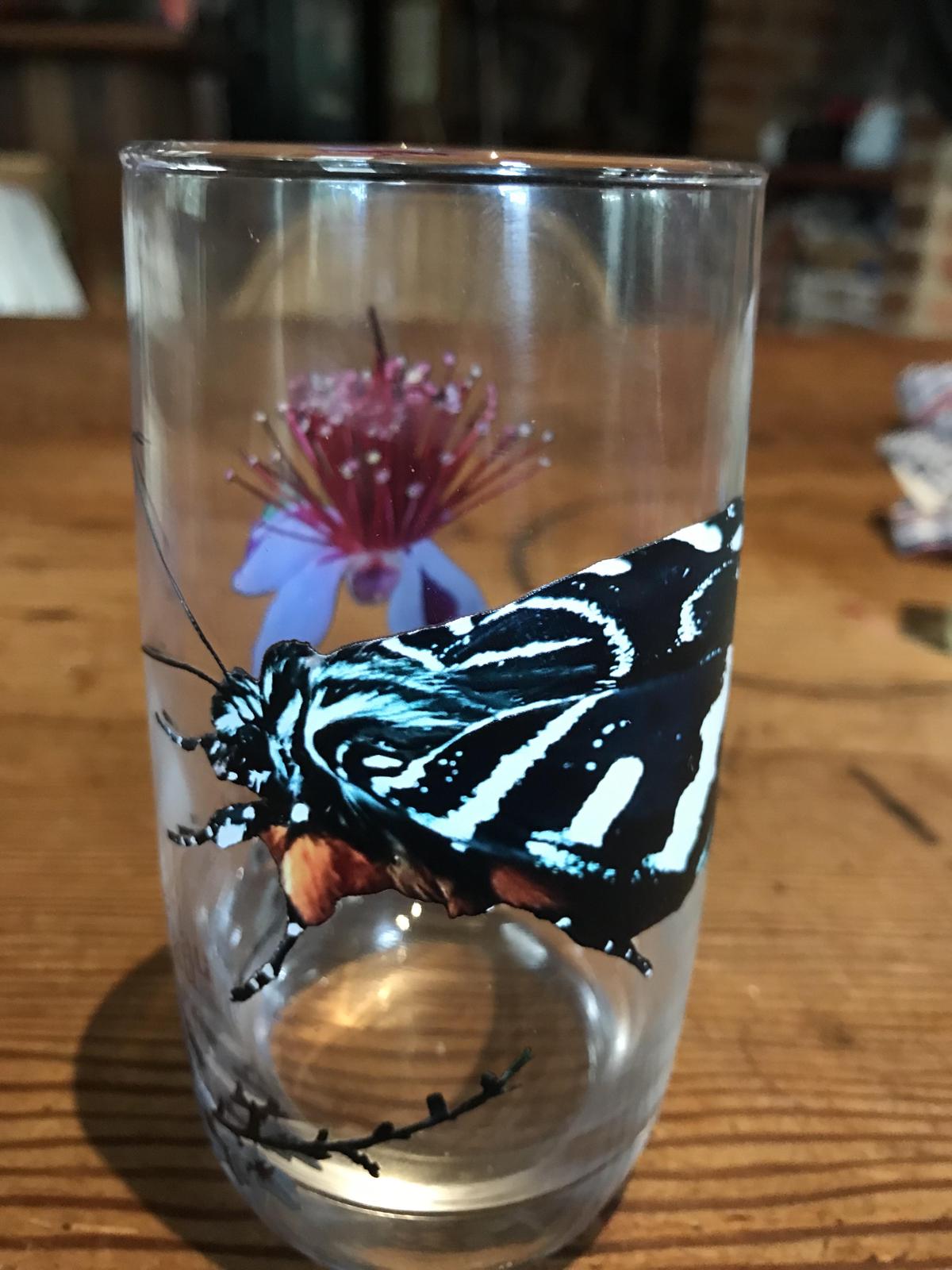
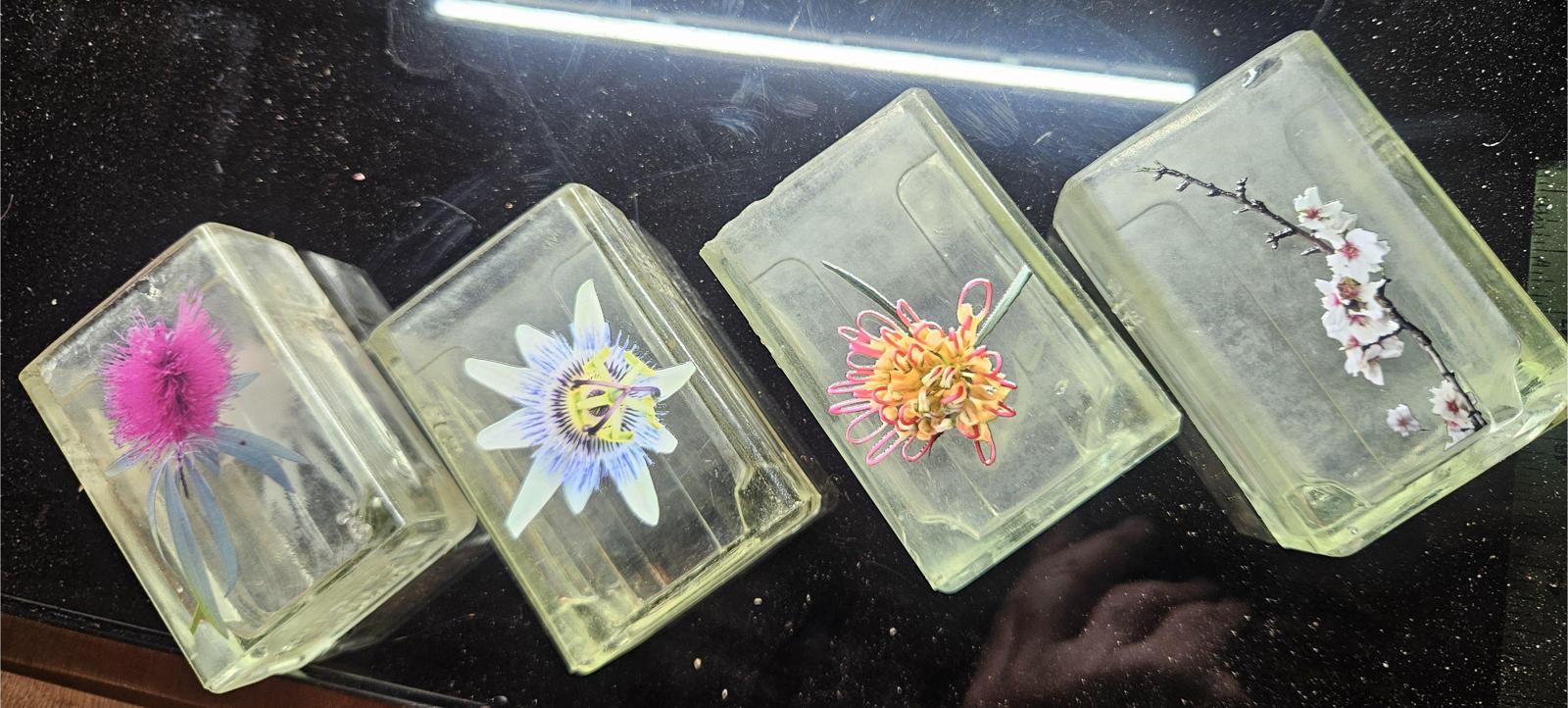
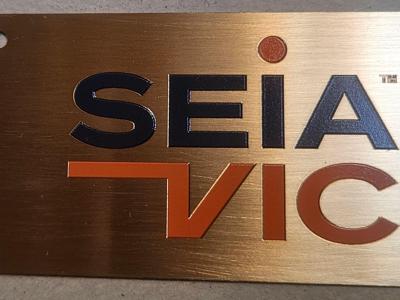
UV printing lays pigment ink straight onto the surface of an object and cures it instantly with ultraviolet light. It bonds to timber, metal, glass, acrylic and more — no transfers, no decals — and the cured ink sits flush with the surface, ready to seal under a clear coat.
It’s the process behind the Field Notes insect whiteboards, and it works just as well for one-off pieces: trophies, signage, gifts, panels and prototypes. If you have something you’d like printed, get in touch — the examples below show the kind of work it can do.
Examples