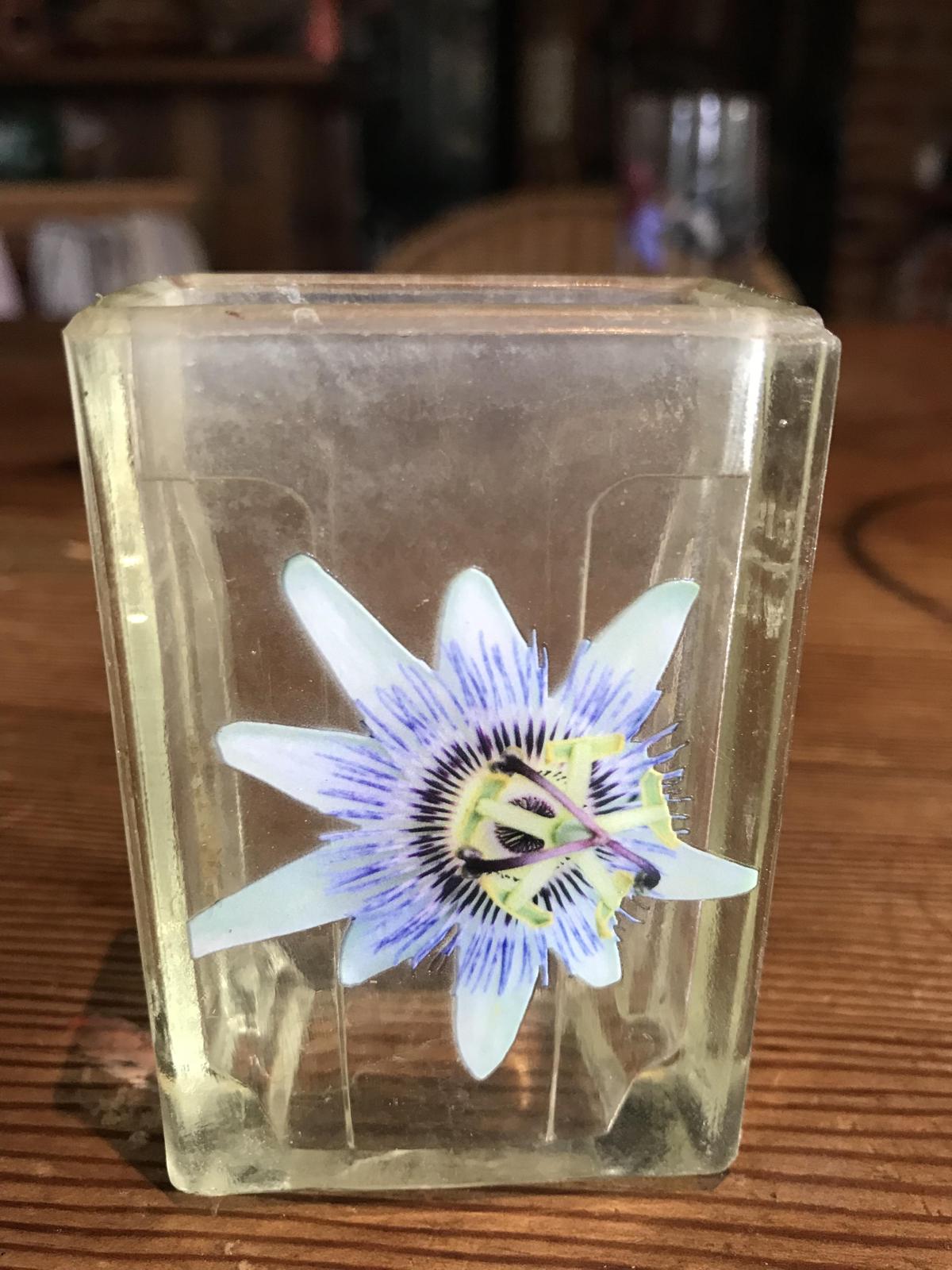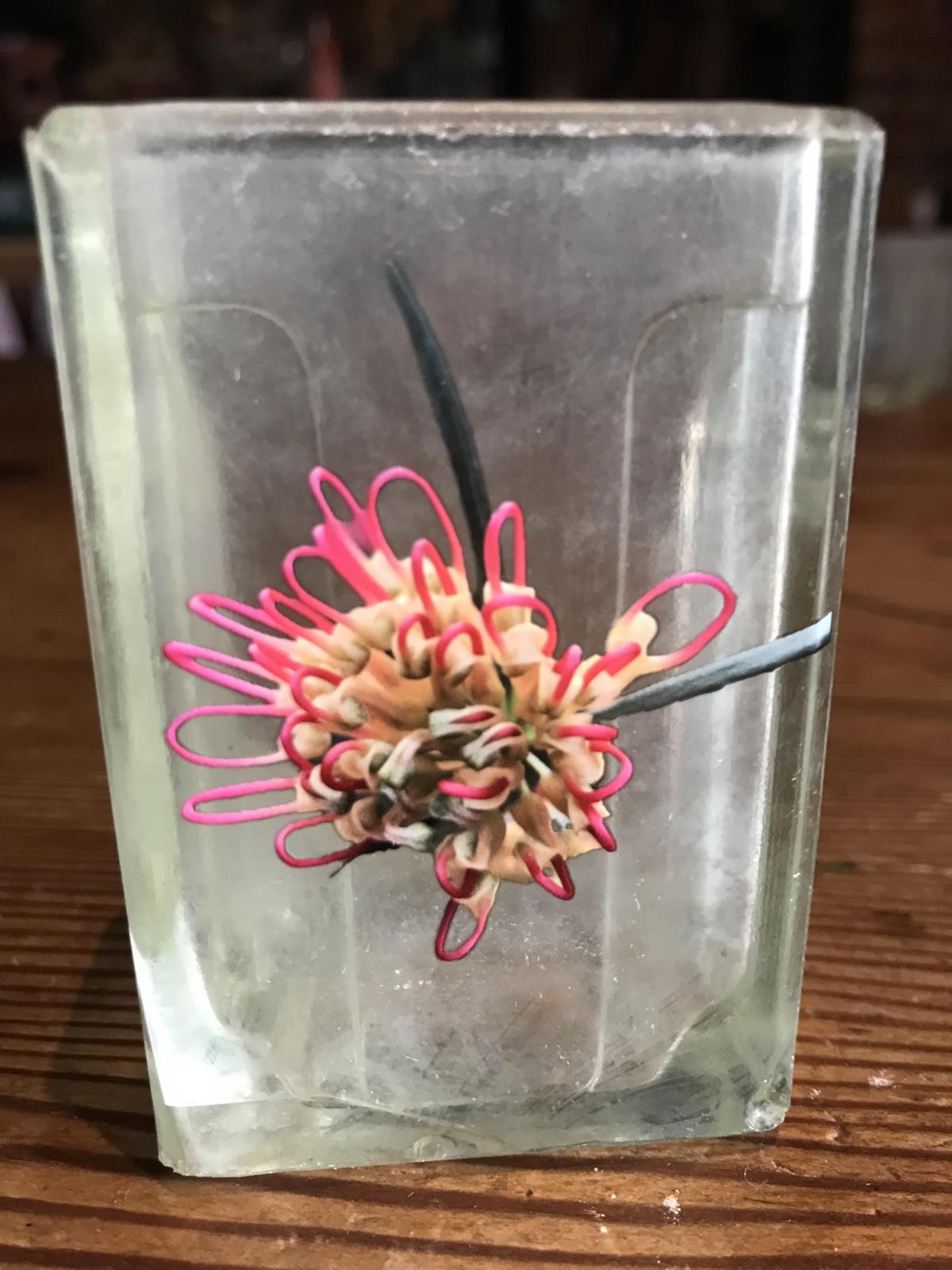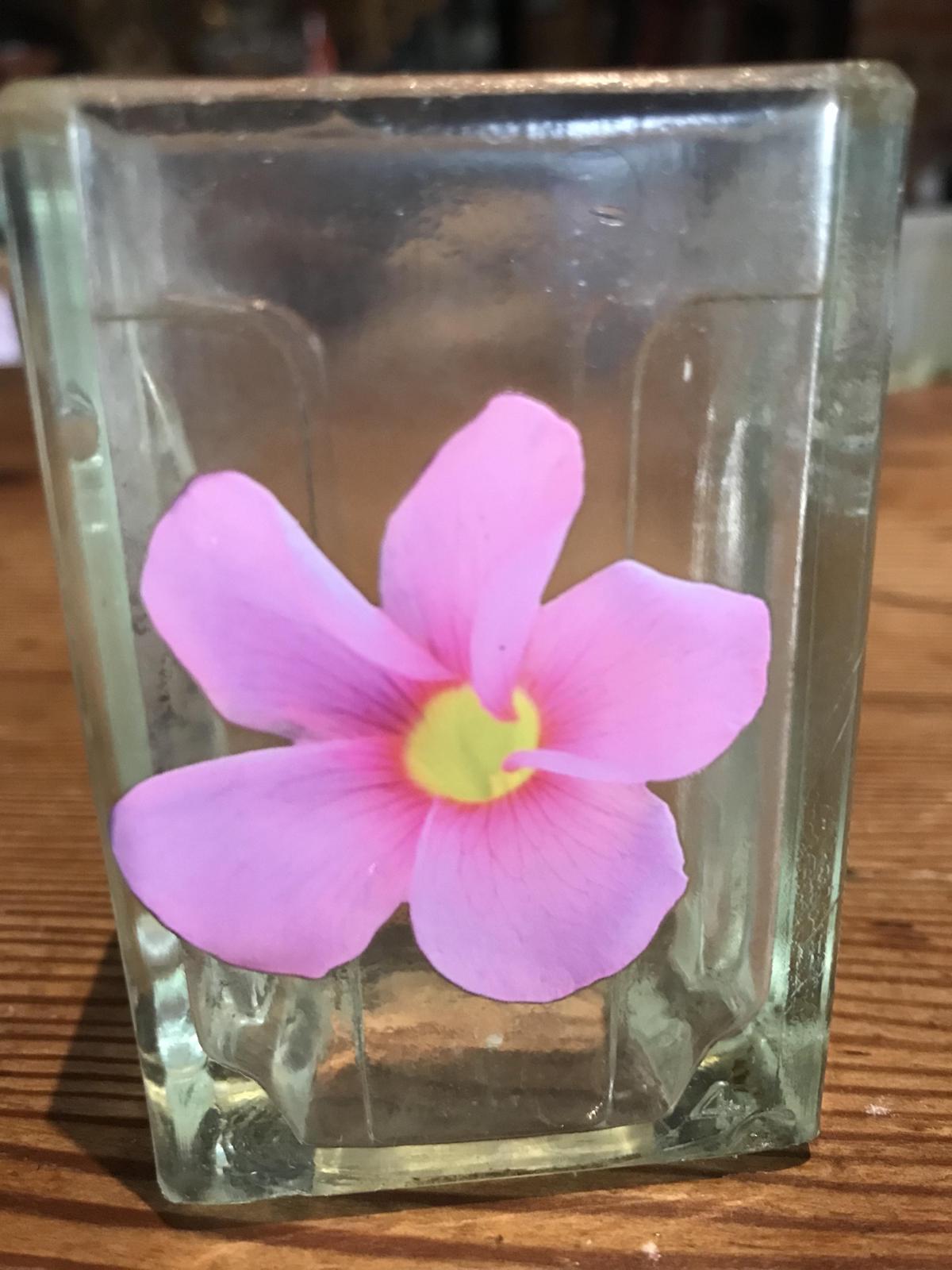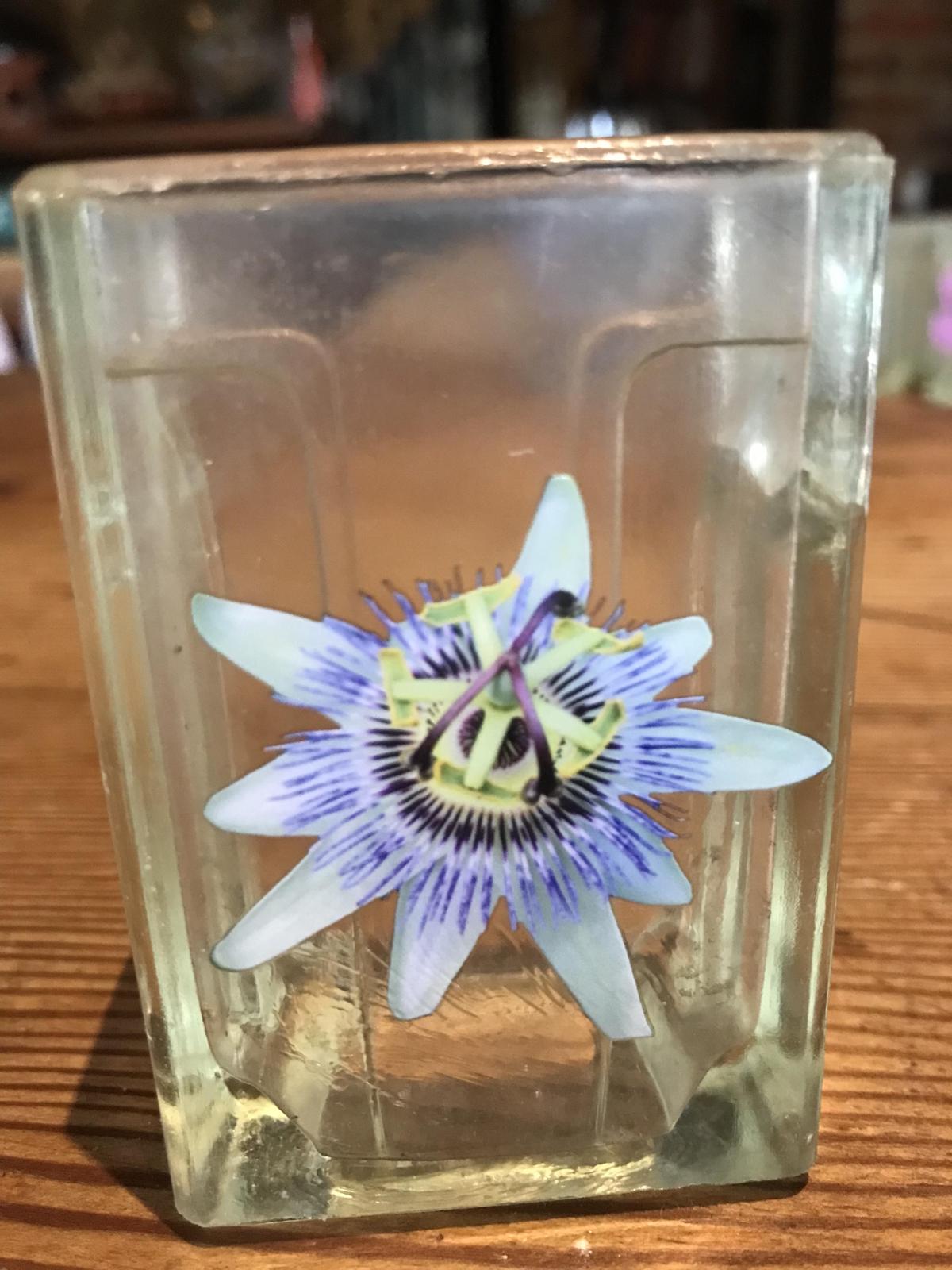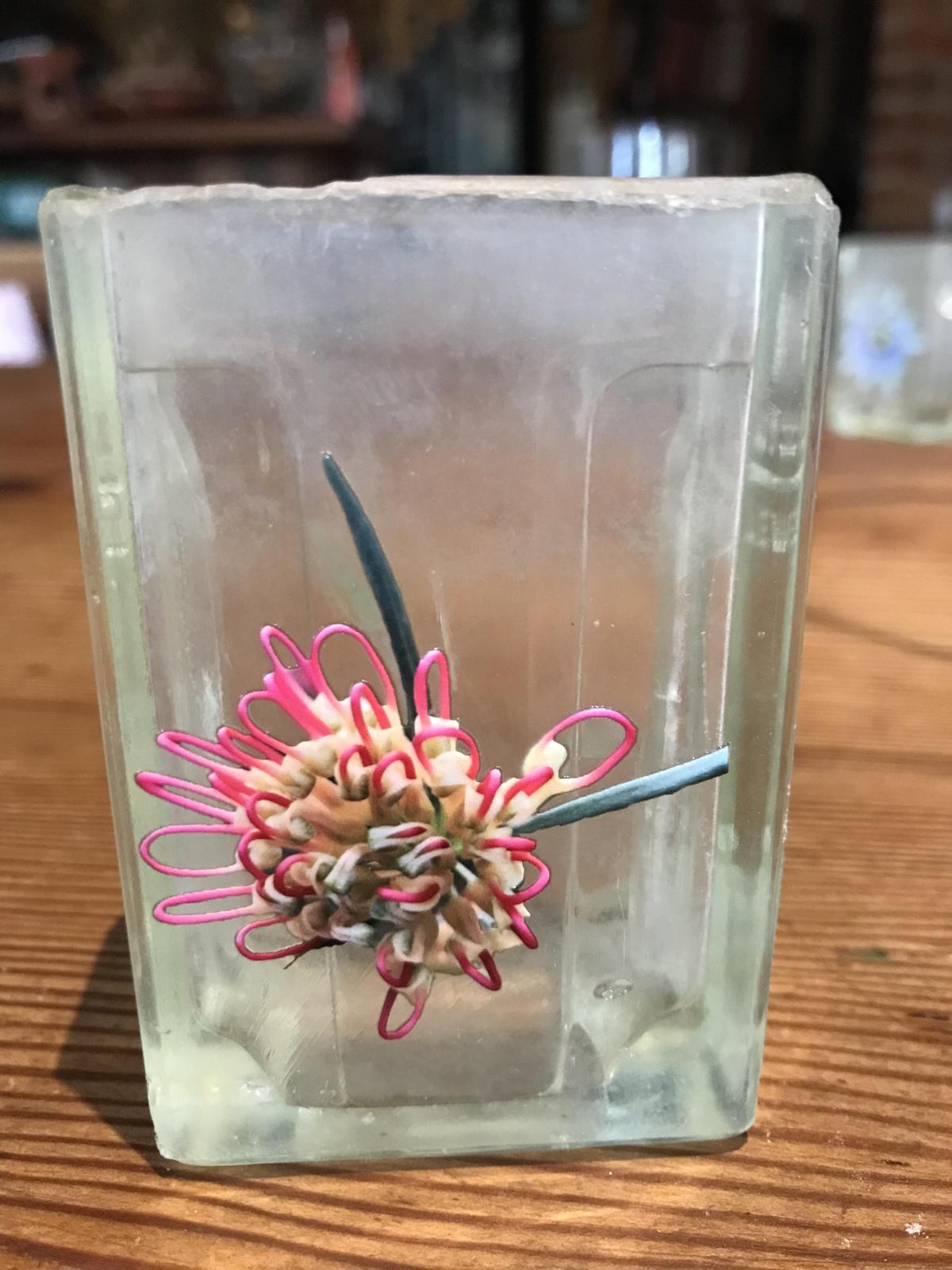
Original glass-cased lead-acid accumulators — the 2-volt cells that powered valve “wireless” radios in the 1900s–1930s, before mains electricity reached most homes. Each one is a genuine artefact of early twentieth-century domestic technology.
Every item is unique — please view the photos before ordering. These cells are 90–120 years old. The glass cases all have their own chips, scratches, internal staining and crazing patterns. Scroll through the photos for each listing carefully and pick the one whose marks and character you like. Once it’s gone it’s gone.
A bit of history
Before the grid, the household wireless ran on batteries. Valve filaments needed a steady low-tension supply, and a small glass cell — one of several wired in series in a wooden carrier — provided it. When discharged, the householder carried the cell down to the local garage or radio shop to be exchanged for a freshly charged one. The same cells also powered motorcycle ignitions, telephone exchanges and emergency lighting.
Lead alloy plates (positive and negative) were suspended inside the glass case, separated by the vertical guide ribs moulded into the walls, and sat immersed in dilute sulphuric acid. A vented cap at the top let gas escape and water be added — the embossed ACID LEVEL line told the owner exactly how high to top up.
The clear glass case was the point: the user could see the plates and the electrolyte at a glance — useful, because a sulphated plate or low acid was an early warning of a tired cell. The base is normally embossed MADE IN ENGLAND, a marking required on British exports under the Merchandise Marks Act of 1887 (standardised after its 1926 amendment). A small numeral in the corner is the glass mould cavity number, identifying which station in the glassworks produced it. A faint pink or lavender tint is “sun-purpled” manganese glass, indicating manufacture before about 1915, when selenium replaced manganese as the glass decoloriser.
British makers you’ll see on these
- Exide — Chloride Electrical Storage Co., Clifton Junction, Manchester. The dominant British brand.
- Oldham & Son — Denton, Manchester. Famous “Lively O” range; types O25, O50, O75.
- Lucas — Birmingham. Best known for vehicle electrics, also produced wireless cells.
- Tudor, Pertrix, Varley — other UK accumulator makers of the period.
End of an era
Mains-powered radios from the late 1930s, sealed dry batteries, and finally rural electrification made the glass-cased wet cell obsolete. Production had effectively ceased by the late 1950s. Many were exported to Australia during the wireless boom of the 1920s, where they powered farmhouse sets long after British homes had moved on.
These are sold for display only — empty of acid, plates left as they are. Please handle gently.